
Precious Metals Storage and Security
By SEO User
Key Takeaways
- Precious metals are only valuable if they’re secured using proper precious metals storage solutions.
- Storage options vary, each giving a unique balance of security, access, and cost.
- Private professional American gold storage vaults offer the strongest protection because the metals are stored with surveillance and insurance.
- First National Bullion partners with a world-class third-party storage firm to help investors store their assets while guaranteeing access.
In the current uncertain financial market, more investors are turning to physical assets like gold, silver, platinum, and palladium for wealth preservation. However, acquiring these assets is only half the equation; the other critical half is finding proper precious metals storage.
Without proper protection, even the most valuable investment is vulnerable to theft, loss, or damage. Whether you’re a long-term investor or a first-time buyer, knowing where to store your metals safely is essential for protecting your investment and peace of mind. That is where American gold storage services come in.
Let’s discuss proper storage for your investment. Keep reading.
Why Storage Matters for Precious Metals
Precious metals are distinctive in that they are both extremely valuable and physically small, which makes them attractive to investors and thieves alike. Unlike digital assets, which rely on passwords or banking systems with institutional safeguards, physical metals demand real-world security measures.
Effective precious metals storage helps protect against threats such as theft, natural disasters, unauthorized access, and simple misplacement. Investors who employ best practices when buying precious metals but ignore storage considerations often expose themselves to preventable losses. But with the right storage strategy, your assets retain their full value and remain accessible.
Common Storage Options
There are several ways to preserve your precious metals, each with its unique advantages and disadvantages. Let’s evaluate the options:
1. Home Storage
To maintain immediate access, some investors store their precious metals at home. They put them in safes, hidden compartments, or secure lockboxes. While this type of storage is convenient, it leaves your precious metals exposed to burglary, fire, and reduced insurance coverage.
If you still want to store gold at home, you can mitigate at-home storage risks by investing in a high-grade, fireproof, and bolted safe. However, keep in mind that even the most advanced home security systems cannot match institutional-grade protection.
2. Bank Safety Deposit Boxes

A traditional storage solution offered by banks is the safety deposit box. Although they deliver greater physical security than home storage, they restrict access hours and may not be fully insured. Investors looking for more flexible but structured storage, like owners of coins and bullion, often find bank storage inconvenient and have to consider other American gold storage options.
3. Private Vault Storage
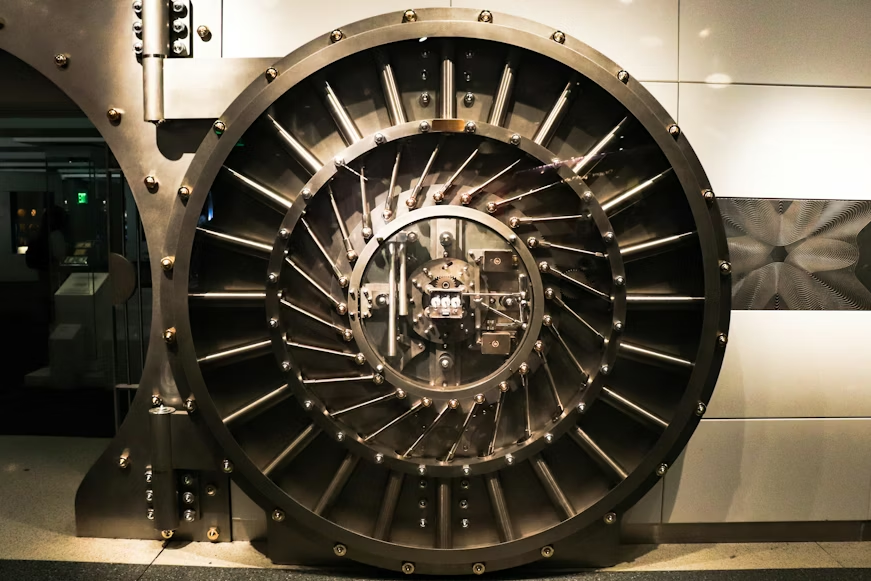
Increasingly, investors are turning to private vault facilities. These facilities specialize in precious metal storage and provide highly secure environments with advanced surveillance, biometric access, and full insurance coverage.
Unlike traditional banks, private vaults are designed specifically for bullion storage. Investors only need to open an account and hand over their metals, and for new purchases, the seller sends the metals to the storage facility directly.
4. Offshore Storage
Some investors opt to store their metals in foreign jurisdictions as a way to diversify and protect against political risk. Offshore storage can also offer tax advantages and greater privacy. However, it requires thorough due diligence to ensure regulatory compliance and facility reliability.
How to Choose a Precious Metals Storage Provider

When choosing whom to entrust your precious metals investment with, security should always be the primary consideration. Therefore, evaluate the storage facility against the following qualities:
- Has 24/7 armed surveillance and monitoring
- Provides comprehensive insurance coverage
- Has disaster-resistant infrastructure
- Biometric or multi-factor access controls
- Offers segregated storage options
These qualities significantly lower your risk and provide confidence that your assets are fully protected.
The Cost of Storage
Storage costs vary depending on the provider type, facility location, and level of security offered. Here are what common American gold storage options cost:
- Home storage may seem “free,” but it comes with hidden risks.
- Bank safety deposit boxes are generally inexpensive but are limited in flexibility.
- Private vaults, both local and international, charge either a percentage of the asset value or a fixed annual fee.
For most serious investors, the choice often comes down to either private vaults in America or international vaults. The task then is to choose a precious metal storage option that strikes a balance between cost, security, and ease of access.
Arrange for Storage with First National Bullion
Acquiring physical precious metals is important, but keeping them secure and accessible is just as important. You could store your assets in a home safe, bank storage box, or private vault in America or overseas. However, the best precious metal storage option is one that balances security, access, and long-term financial stability, and this you can get with private American gold storage.
If you’re a new or seasoned precious metals investor looking for dependable storage, contact First National Bullion. We partner with a world-renowned third-party private storage company, Brinks, to ensure safe, long-term keeping and accessibility. Even if you want to trade your metals or add to your collection, we’ll do it for you and update your storage documentation.
Contact us to learn more about our storage solutions.
FAQs
What’s the safest way to store precious metals long-term?
The safest way to store precious metals is by depositing them in a private, insured storage facility that offers segregated storage.
How frequently should I review my storage arrangement?
Review your storage arrangement or contract at least once a year, or whenever there’s a major change to your investment portfolio.
What’s the difference between allocated and unallocated storage options?
With allocated storage, your precious metals are stored separately and are specifically owned by you, whereas unallocated storage gives you a claim to the metals and not to specific items.
The statements made in this blog are opinions, and past performance is not indicative of future returns. Precious metals, like all investments, carry risk. Precious metals and coins may appreciate, depreciate, or stay the same in cash value depending on a variety of factors. First National Bullion does not guarantee, and its website and employees make no representation that any metals for sale will appreciate sufficiently to earn the customers a profit. The decision to buy, sell, or borrow precious metals and which precious metals to purchase, borrow, or sell are made at the customer’s sole discretion.